
Radiator Repair and Replacement
The radiator is where your engine dumps its heat. Most of them fail from age rather than abuse: the plastic tanks on the ends go brittle, the seals harden, and rocks off the freeway punch the fins from the front. Before we sell you one, we confirm the radiator is actually where the coolant is going.
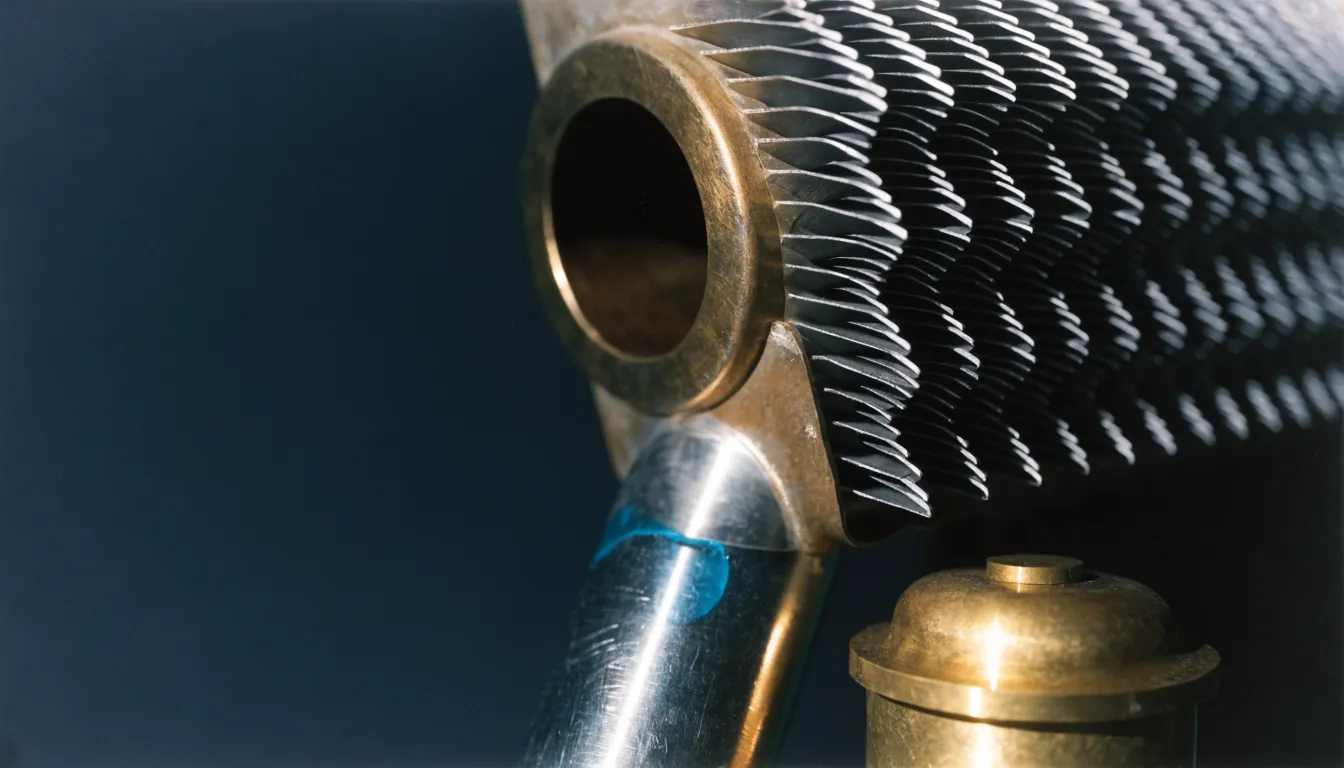
We find the leak before we sell the part
Your cooling system holds pressure when it is running, so the way to find a leak is to pump it up while it is cold and watch where it comes out. That separates a bad radiator from the parts that fake it: a weeping water pump, a worn-out cap, a hose seeping at the clamp, or the little heater radiator inside your dash. Plenty of cars come in sure they need a radiator and leave with a hose and a cap.
What comes with the job
A new radiator goes in with new upper and lower hoses if the old ones are swollen or cracked, a new cap where the design uses one, and the exact coolant your car calls for rather than a one-size-fits-all jug. Then we fill it the way the carmaker specifies and get the air out, because a pocket of trapped air makes a car read hot that is not hot and can leave your heater blowing cold. One more thing we check: on a lot of vehicles the transmission cooler lives inside the radiator, so a failed radiator can push coolant into the transmission.
Fans count as much as radiators
If your car runs cool on the freeway and creeps hot in traffic, that is usually a fan problem, not a plugged radiator. At speed, air pushes through the radiator on its own. Sitting in traffic, the fan is the only thing moving air. A dead fan, a bad fan clutch, or a missing air shroud will overheat a brand new radiator, so we test the fan on every cooling job.
What's included
- Pressure test to find where the coolant is actually going
- Radiator replacement with the coolant your car specifies
- Hoses, clamps, and cap inspected and replaced as needed
- Air purged the way the carmaker specifies
- Cooling fan, fan clutch, and shroud checked
Radiator Replacement: questions we get asked
Family-owned since 1981
AAA Approved Auto Repair
12-month / 12,000-mile warranty on qualifying work
32125 Arbol Real, Thousand Palms, CA 92276
Monday – Friday: 8:00 AM – 5:00 PM
Saturday: Closed
Sunday: Closed
More on radiator & cooling
Related repairs
Other services at the shop
Where we serve
We serve drivers across the Coachella Valley: