
Water Pump and Thermostat Replacement
The water pump pushes coolant through your engine. The thermostat is the valve that decides when that coolant goes out to the radiator. Both are cheap parts protecting an expensive engine, and both usually give a warning before they strand you, if somebody is looking.
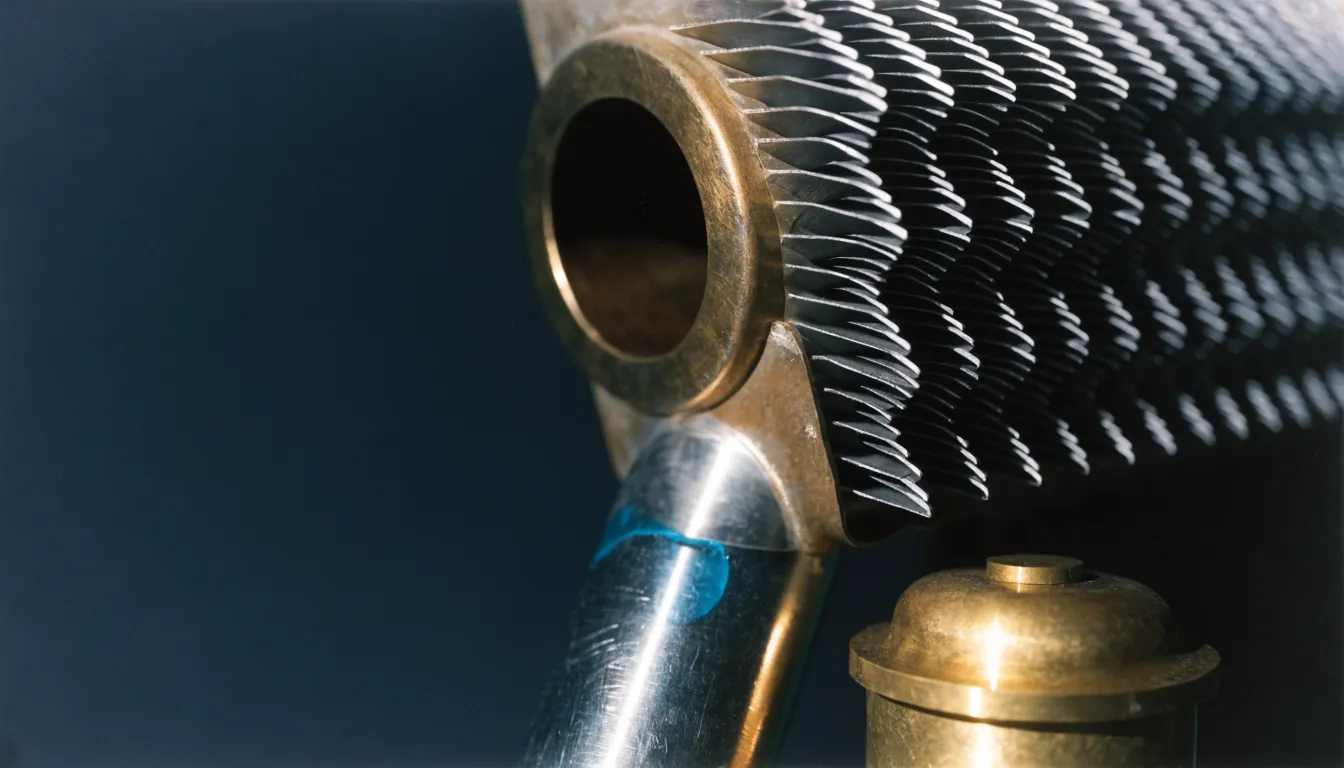
How a water pump tells you it is going
A pump wears out at its seal and its bearing. The seal leaks first, usually as a crusty stain or a drip that only shows up once the engine is hot. The bearing shows up as a whine or growl that rises and falls with engine speed, sometimes with a wobble you can feel at the pulley. The sneaky one is a worn impeller, the paddle inside that actually moves the coolant. No noise, no drip, and an engine that runs hot in traffic because barely anything is circulating.
Thermostats fail two ways, both worth fixing
Stuck closed, the coolant never reaches the radiator and the engine overheats fast. That is the version that does damage. Stuck open, the engine never warms up properly: your heater blows lukewarm, your fuel economy drops, and a lot of cars turn on the check engine light for running too cool. Neither part costs much on its own, and an engine running outside its designed temperature wears faster and burns dirtier.
When the timing belt decides the job
On some engines the timing belt also drives the water pump. On those, the pump gets replaced whenever the belt is done and the belt gets replaced whenever the pump is done, because the labor is nearly the same and a seized pump takes the belt and possibly the engine with it. On other engines the pump runs off a separate belt or a chain and none of that applies. We tell you which design you have, plus the thermostat, gasket, and coolant that go with it.
What's included
- Water pump checked for drips, bearing wobble, and flow
- Thermostat and housing replacement
- Timing belt and tensioner where the belt drives the pump
- Correct coolant, proper fill, and air purged
- Pressure test and temperature check after the repair
Water Pump & Thermostat Service: questions we get asked
Family-owned since 1981
AAA Approved Auto Repair
12-month / 12,000-mile warranty on qualifying work
32125 Arbol Real, Thousand Palms, CA 92276
Monday – Friday: 8:00 AM – 5:00 PM
Saturday: Closed
Sunday: Closed
More on radiator & cooling
Related repairs
Other services at the shop
Where we serve
We serve drivers across the Coachella Valley: